23-06-2026
Walk into any furniture showroom targeting the mid-to-luxury segment and you will find bronzing upholstery fabric on at least a third of the display sofas. The finish is unmistakable — a shimmering metallic sheen that shifts with light, sitting on a surface that feels soft rather than stiff. For manufacturers and procurement teams sourcing sofa fabric at scale, it has become one of the most consistently requested materials over the past several years, and for good reason: it delivers a visual premium that significantly exceeds its price point.
This guide covers the production process behind bronzing upholstery fabric, what makes it technically suited to furniture applications, how it compares against alternative upholstery materials, and what to look for when sourcing it from a fabric supplier.
Contenido
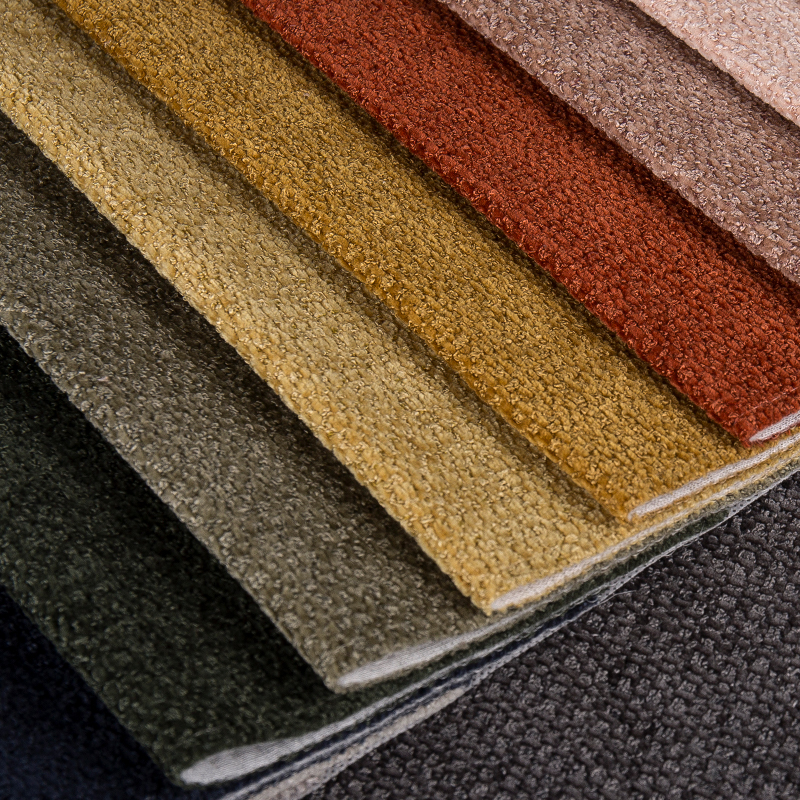
Bronzing upholstery fabric is a post-processed textile in which a metallic or iridescent coating is applied to the surface of a base fabric — most commonly polyester suede or polyester velvet — using a heat transfer process. A thin layer of metallic material, typically aluminum-based with color toning applied over it, is transferred under heat and pressure from a carrier film onto the fabric surface. The result is a permanent, patterned metallic finish that becomes integral to the fabric's surface rather than a separate laminate layer.
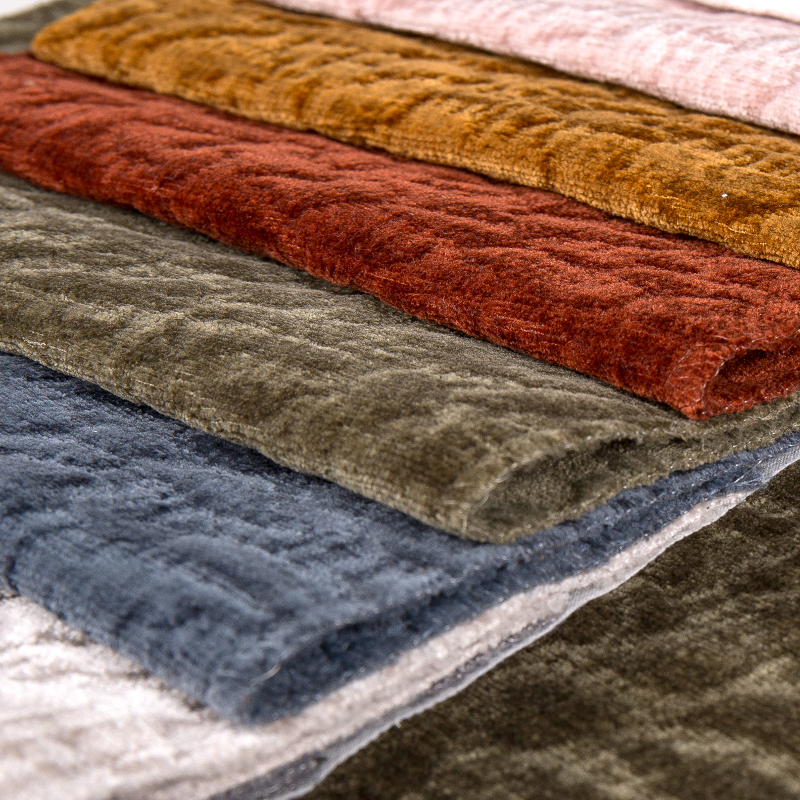
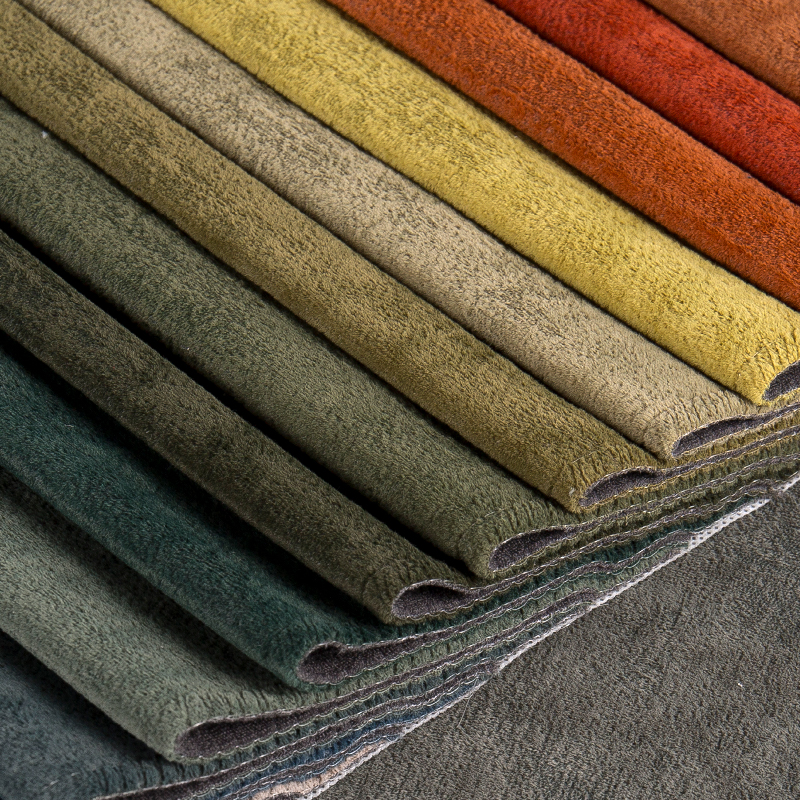
The base fabric choice determines the tactile character of the finished product. Polyester suede bases produce a smooth, fine-grain surface with a dry hand feel — closer to the appearance and touch of genuine leather. Velvet bases retain their pile structure beneath the bronzing layer, creating a richer, more dimensional surface where the metallic pattern interacts with the texture of the pile. Both substrates are overwhelmingly polyester, which provides the dimensional stability, heat tolerance, and dye compatibility required for consistent bronzing results across production runs.
The pattern applied during bronzing is what most differentiates one product from another within this category. Geometric repeats, floral motifs, animal prints, abstract gradients, and plain all-over metallic finishes are all achievable, with the pattern detail limited primarily by the quality of the transfer film used. polyester bronzing sofa fabric with varied patterns and faux leather effects typically carries dozens of active pattern options at any given time, with seasonal updates as interior design trends shift.
The appeal of bronzing upholstery fabric is not purely aesthetic. Several of its physical properties make it a practically strong choice for furniture applications, particularly in mid-range residential and commercial settings.
Durability and abrasion resistance. The polyester base that underpins most bronzing fabric is inherently tough. Standard bronzing upholstery fabric typically achieves 20,000 to 30,000 double rubs on the Wyzenbeek abrasion test — sufficient for everyday residential use and moderate commercial applications. The metallic coating, when applied correctly, does not degrade abrasion performance significantly, provided the base fabric weight is adequate (generally 110–380 gsm depending on application).
Functional performance coatings. Most production-grade bronzing upholstery fabric is treated with waterproofing and anti-mildew finishes as standard. Some variants add anti-static and flame-retardant treatments to meet commercial or hospitality specification requirements. These functional layers sit beneath or alongside the bronzing treatment without compromising the visual finish.
Faux leather visual effect. On polyester suede bases in particular, the bronzing finish replicates the appearance of metallic or embossed leather convincingly. This makes bronzing sofa fabric a cost-effective substitute for genuine leather in applications where the visual outcome matters more than the material origin — which covers the vast majority of furniture retail in the mid-market.
Pattern variety and design flexibility. Unlike woven fabrics where pattern options are constrained by loom configuration, bronzing fabric can carry virtually any two-dimensional pattern that can be produced on a transfer film. This makes it attractive for furniture manufacturers who need to serve diverse market aesthetics — from classic damask patterns to contemporary geometric prints — without carrying separate fabric constructions for each design direction.
Buyers comparing bronzing upholstery fabric against alternative materials typically find it occupies a distinct position — stronger on decorative impact than most woven fabrics, more cost-effective than genuine leather, and more versatile in pattern capability than embossed or flocked alternatives.
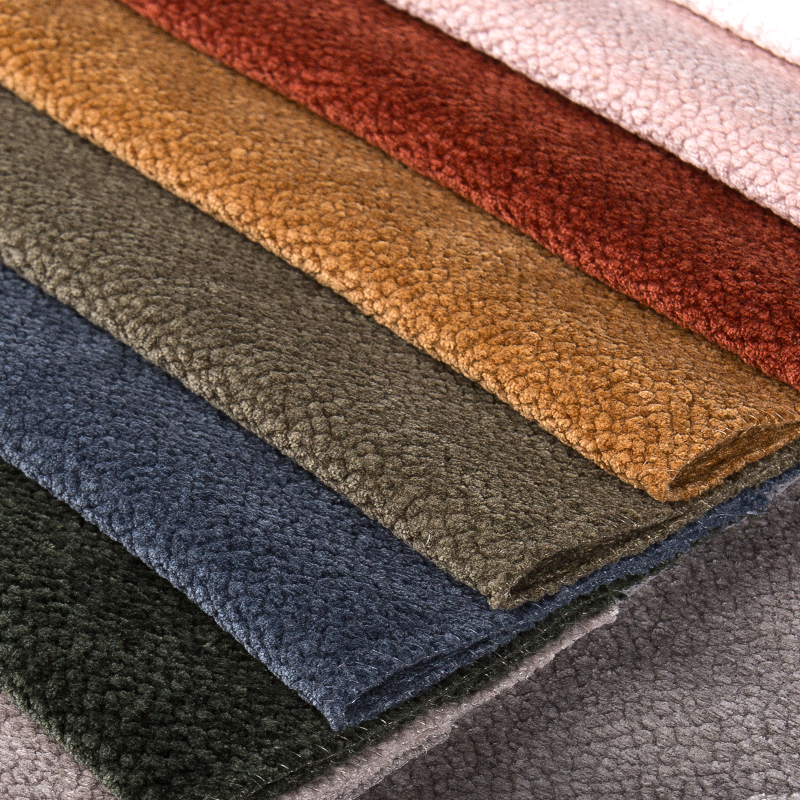
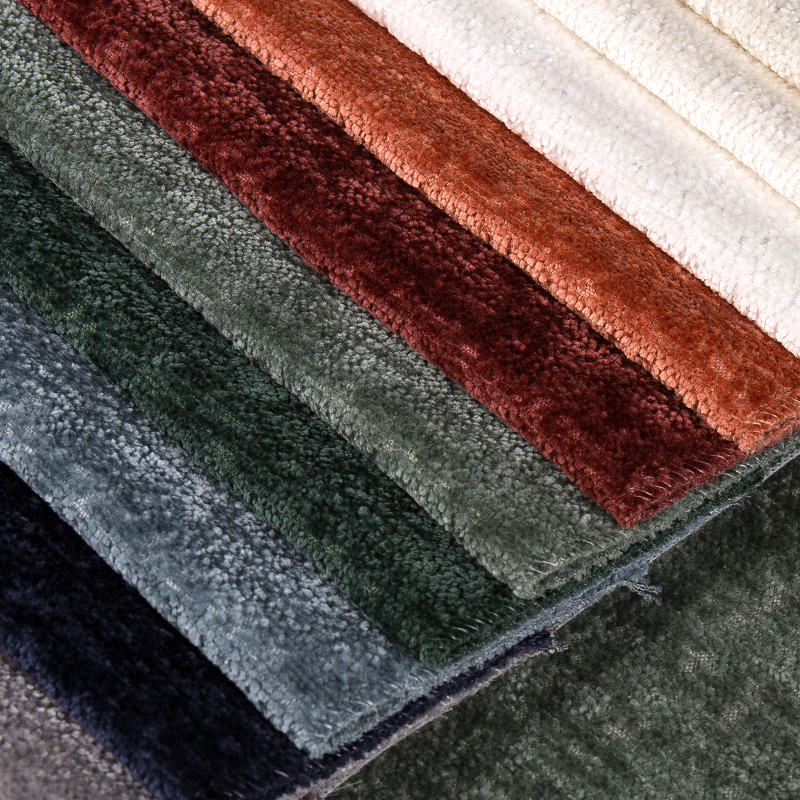
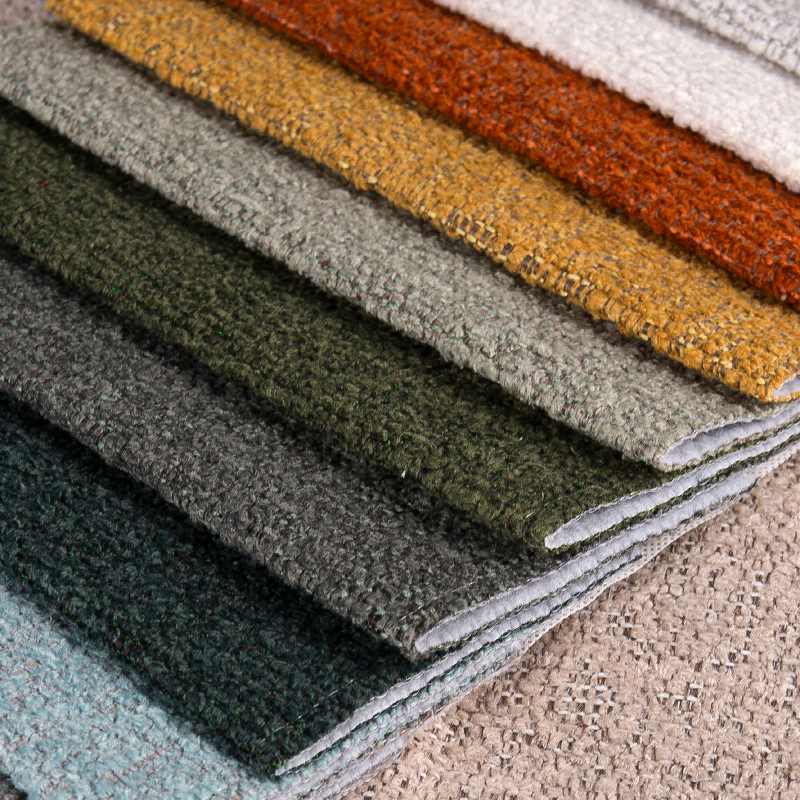
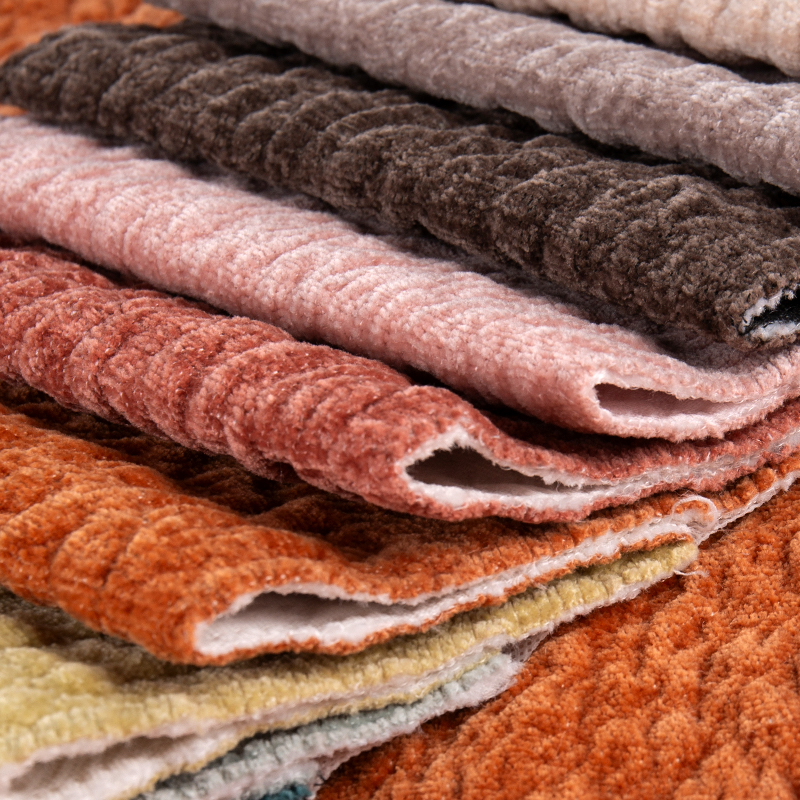
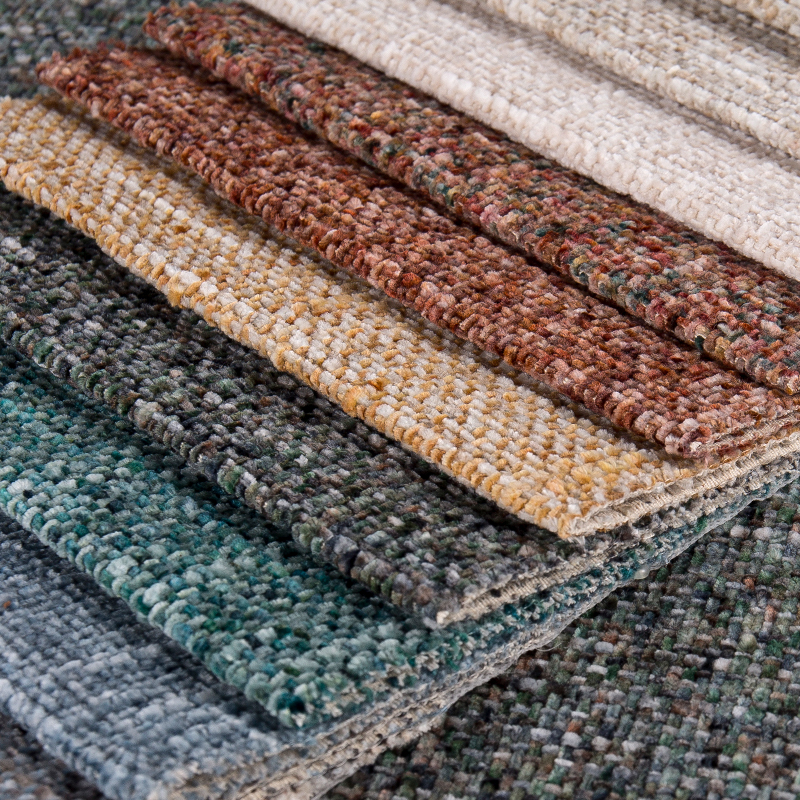
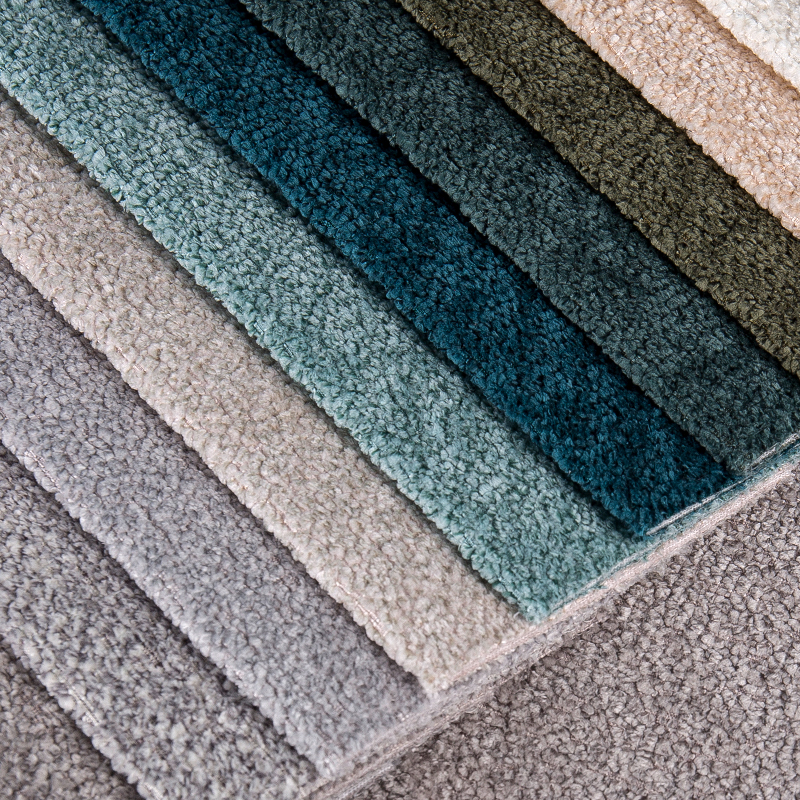
vs Chenille. Chenille upholstery fabric is softer and more textural underhand, with a warmth that makes it well-suited to casual residential settings. It excels in durability and has strong market acceptance in traditional furniture categories. Bronzing fabric outperforms chenille on visual drama and perceived luxury at the same price point, making it the stronger choice for statement pieces and contemporary interiors. polyester chenille sofa upholstery fabric for soft and durable seating remains the right call for buyers prioritizing comfort and informality over visual impact.
vs Embossed fabric. Embossed upholstery fabric creates surface texture through mechanical pressing of the base material — producing raised patterns with tactile depth. Bronzing adds optical effect rather than physical texture, so where embossing creates a dimensional surface you can feel, bronzing creates a dimensional surface you see. The two techniques are sometimes combined on the same fabric. For pure pattern variety, bronzing holds a clear advantage; for tactile differentiation, embossing is the stronger tool. polyester embossed sofa upholstery fabric for textured surface effects serves applications where the hand feel of the surface is as important as its visual appearance.
vs Genuine leather. Genuine leather carries brand credibility and a tactile experience that no fabric replicates fully. It also carries a price premium that narrows its realistic market to high-end residential and luxury commercial. Bronzing upholstery fabric on a polyester suede base delivers a comparable visual result at a fraction of the cost, with easier maintenance, more consistent quality across dye lots, and broader pattern availability. For furniture manufacturers serving the mid-market — which represents the majority of global upholstery volume — it is a straightforward substitution in most product contexts.
vs Printed fabric. Printing offers the broadest design freedom of any upholstery fabric technique, capable of reproducing photographic-quality images on fabric. Where printed fabric and bronzing fabric differ is in surface character: print sits flat and matte on the fabric surface, while bronzing introduces the metallic sheen that makes the pattern reflective and dimensional. For buyers who need custom or high-resolution imagery on upholstery, polyester printed sofa upholstery fabrics for custom decorative patterns is the right category. For buyers who want standard patterns with elevated visual presence, bronzing is the more distinctive option.
The dominant application for bronzing upholstery fabric is sofa covering — specifically three-seat and sectional sofas in living room and hospitality settings. The fabric's ability to command visual attention makes it well-suited to statement pieces in open-plan spaces where the sofa functions as the room's focal point. In metallic gold and copper tones, bronzing fabric carries associations of luxury that justify its placement in reception areas, boutique hotel lobbies, and executive lounge environments.
Accent chairs and armchairs represent the second-largest application. Here, bronzing fabric is frequently used in smaller quantities alongside more neutral primary fabrics — a bronzed accent chair against a matte sofa, or a pair of bronzed occasional chairs framing a fireplace. This pattern of use has expanded the addressable market considerably, as buyers who would not cover an entire sofa in bronzing fabric will confidently use it on accent pieces.
Bed headboards in residential and hospitality contexts are a growing application. Upholstered headboards in bronzing fabric — particularly on polyester suede bases in gold or champagne tones — have become a standard offering in mid-market bedroom furniture, where they deliver a visual finish that reads as more expensive than the actual cost of the material.
Decorative cushions and throw pillows round out the application landscape, serving both furniture manufacturers who include cushions with sofa sets and home textile brands who sell cushion covers separately. The fabric's pattern variety makes it well-suited to cushion applications where buyers want visual interest without committing to a full upholstery project.
Specifying bronzing upholstery fabric correctly requires attention to several variables that are not always visible from a sample swatch or product listing.
Base fabric and weight. Confirm whether the base is suede or velvet, and check the fabric weight in gsm. Lighter constructions (110–180 gsm) are suited to cushions and decorative applications. Heavier weights (280–380 gsm) are appropriate for sofa upholstery that will receive regular use. Using a light-weight fabric on high-contact furniture surfaces is the most common sourcing mistake and the most common cause of premature wear complaints.
Fabric width. Standard bronzing upholstery fabric ships in widths of 145–155 cm. Confirm the exact width against your cutting pattern before placing a volume order — width variation of even 5 cm affects material yield calculations and can meaningfully impact your per-unit cost on large runs.
Pattern scale and repeat. Request the repeat dimensions for any patterned bronzing fabric. Large-repeat patterns increase cutting waste on upholstery applications where the pattern must be centered or matched across cushion sets or sofa sections. Smaller repeats or all-over patterns minimize waste and are generally more practical for production use.
Functional coatings and certifications. If the end application is commercial — hospitality, contract furniture, public seating — confirm that the fabric carries the relevant performance certifications for your market. Flame retardancy standards vary significantly by country, and the supplier should be able to provide test certificates rather than just product declarations.
Minimum order quantity and lead time. MOQ for bronzing upholstery fabric from Chinese manufacturers typically starts at 500–1,000 meters per color per pattern for standard stock designs, with higher minimums for custom patterns or colorways. Confirm lead time for both stock and custom orders, particularly if your production schedule has fixed start dates.
Climbing Textile has operated as a sofa fabric manufacturer and home textile supplier for over 20 years, with production facilities running automated weaving and finishing lines capable of handling the full spectrum of upholstery fabric categories — from chenille and jacquard to embossed, printed, and bronzing constructions.
The bronzing fabric range reflects consistent product development investment. New patterns are introduced regularly in response to furniture market trends, and the supplier maintains active stock across a broad range of designs — reducing the lead time and minimum order exposure for buyers who need flexibility across multiple SKUs. Custom pattern and colorway development is available for buyers with sufficient volume to justify exclusive designs.
Quality control on bronzing fabric specifically covers base fabric weight and construction, coating adhesion, colorfastness, and pattern registration accuracy — the four variables that most commonly create product quality issues on bronzing constructions at lower-cost suppliers. Certificates and test data are available on request for buyers who need documentation for commercial or export compliance purposes.
For procurement teams building out their upholstery fabric range across multiple fabric types, Climbing Textile's consolidated product line allows sourcing of chenille, embossed, printed, and bronzing fabrics from a single supplier — reducing vendor management overhead and simplifying logistics. polyester bronzing sofa fabric with varied patterns and faux leather effects is available for sample requests, with full production specifications provided on inquiry.
Productos relacionados

Contáctenos
DIRECCIÓN
No. 106 Calle Hangfu, Ciudad de Chongfu, Ciudad de Tongxiang, Provincia de Zhejiang, China
Teléfono
+86-15067379939
Correo electrónico
linachen@climbingtex.com / zac@climbingtex.com
lianniu@climbingtex.com
Fax/teléfono
+86-573-88385698
productos
CÓDIGO QR
 Fabricantes de textiles para el hogar
Fábrica de telas para sofás
Fabricantes de textiles para el hogar
Fábrica de telas para sofás
 English
 Español
 عربى
عربى